By the time a candidate reaches a final interview, your business has already invested in them. One person gets the job. What happens to everyone else?
By the time a candidate reaches a final interview, your business has already invested in them. There may be advertising costs, recruiter screening, assessments and several hours of hiring managers’ time. You have learned things about that person that a CV alone could never tell you.
One person gets the job. What happens to everyone else?
That question deserves more attention in conversations about hiring efficiency. Key hiring metrics such as quality, speed, cost, diversity and brand are consistently scrutinised, yet all the work we put in to push individuals through the consideration and recruitment funnels can end up serving just one vacancy. When a similar role opens, another recruiter may start the whole process again.
For an in-house TA team under pressure to deliver, that is an expensive habit.
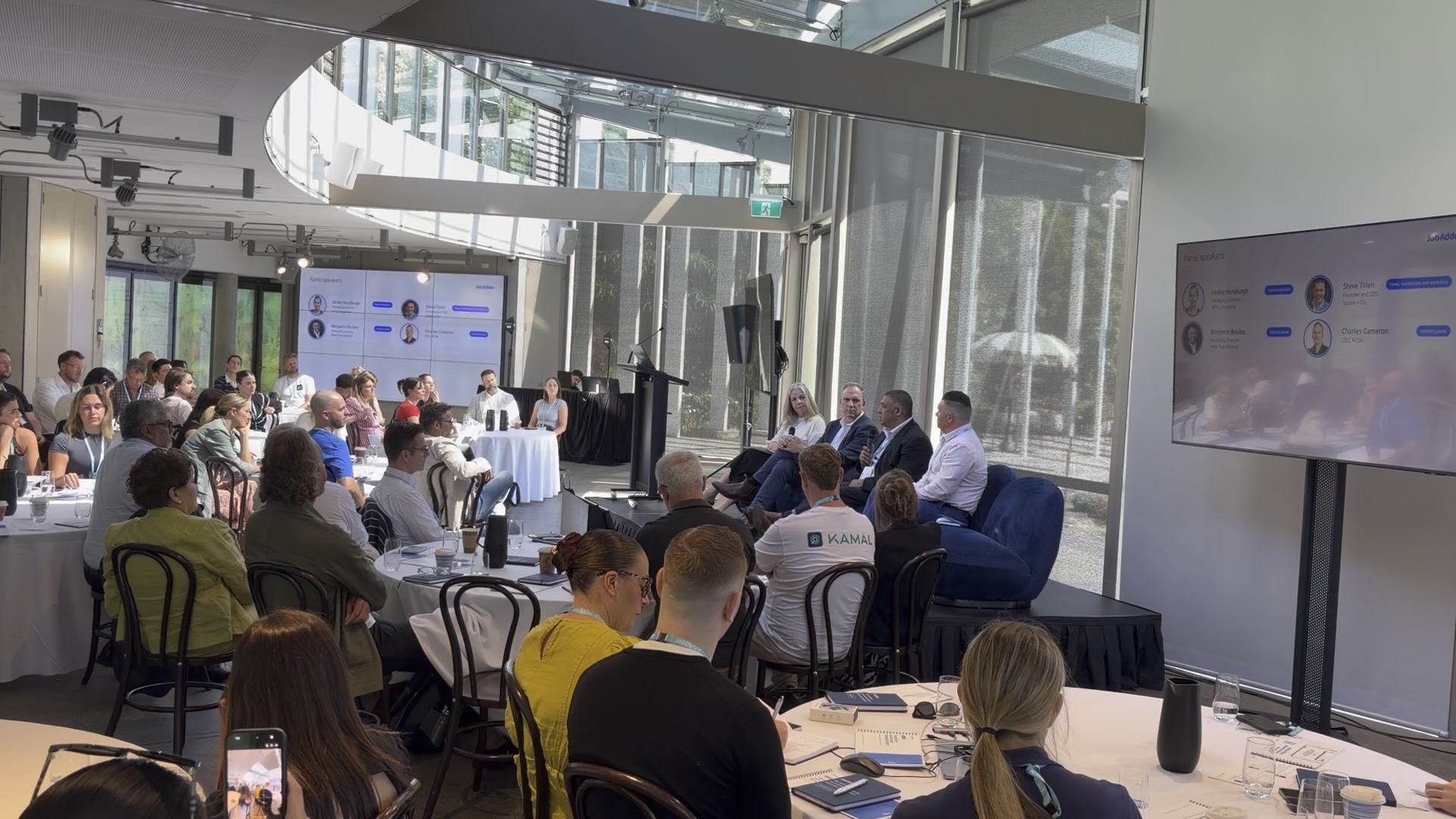
This was the focus of the first webinar in JobAdder’s TA Growth Reset programme: how to make better use of the candidates your organisation already knows.
You have the record. Can someone else use it?
Imagine a strong finalist who missed out because another candidate had more experience managing a regional team. Six months later, a role opens where that experience is less important.
The recruiter who ran the original process has moved on. The candidate’s record says “unsuccessful”, with a CV attached and a few interview notes.
Would another recruiter know they were worth calling?
This is where database value gets lost. A record of the outcome tells you very little about the decision. “Unsuccessful” could mean the candidate lacked a critical qualification, withdrew over salary, or was a very close second. Those are quite different starting points for a future conversation.
A useful record explains enough of that decision for someone else to act on it. What did the candidate do well? What prevented the hire? What kind of role might suit them?
The business has already paid for that assessment. Its value should last beyond the vacancy.

Recruiters need a reason to trust the database
It is easy to tell a busy team to search its database before advertising. If previous searches have produced incomplete records and irrelevant results, you can understand why that instruction does not stick.
Advertising is familiar. Searching old records can feel like extra work with an uncertain return, especially when a hiring manager is asking where the shortlist is.
TA leaders need to take that experience seriously. If rediscovery is going to become part of the workflow, the information has to help recruiters make decisions. A database search that produces twenty names still leaves someone with the work of establishing why any of them matter.
Search tools and AI can help surface candidates for review. The team still needs enough context to judge whether an approach makes sense. An old CV or a positive assessment from a different role cannot establish someone’s current suitability or interest.
That is why the handover matters so much. Could a colleague pick up this record tomorrow and understand what to do next?
Start where the repeat investment is obvious
Trying to clean an entire database before using it is a sizeable project. A recurring hiring need gives the team a more manageable place to begin.
Choose a role your organisation recruits for regularly. Review the previous finalists and relevant applicants with the current requirements in front of you. Ask the hiring manager whether the reasons those people missed out still apply.
That conversation can be revealing. Perhaps a requirement has changed. Perhaps the previous team needed someone more senior. Perhaps a candidate was right for the business but the salary or timing did not work.
There will also be people for whom the answer is still no. The point is to make an informed decision using work already completed.
Give someone ownership of that review as part of opening the role. Allow external sourcing to run alongside it where needed, and record whether the database produced anyone worth progressing. The team needs to see whether the effort is useful.
Reconnecting should feel like you remember the person
Someone who spent hours interviewing with your organisation deserves a more considered approach than a generic message about “exciting opportunities”.
Explain why you are contacting them again. Refer to the previous conversation and what makes this role relevant. If salary or flexibility prevented the last hire, establish whether anything has changed before asking them to invest more time.
There is a candidate experience issue here too. Being remembered for a suitable opportunity can make a previous interaction feel worthwhile. Being asked to repeat information the organisation already holds can have the opposite effect.
The response gives you something useful either way. They may be interested, looking for something different, or happy where they are. Update the record, including their contact preferences, so the next recruiter has that context.
Make the case with what actually happens
A large database does not tell a TA leader how useful it is.
For the role you have chosen, track whether the search produced suitable candidates, how long it took to reach a shortlist and whether the outreach led to conversations. Over time, look at how many hires came from those existing relationships.
Those results give you a basis for deciding where to extend the approach. They also expose the gaps. If relevant candidates are difficult to find, or the team cannot interpret previous assessments, you have a specific problem to address.
For TA leaders, this is part of getting more value from the hiring budget and the team’s time. Every vacancy will still require judgement and fresh conversations. But the organisation should be able to use what it has already learned.
Before approving the next round of sourcing activity, it is worth asking: what did we learn from the last search, and can the team use it?
Continue with TA Growth Reset
This article builds on Your Competitive Advantage Is Already in Your Database, the first session in JobAdder’s TA Growth Reset programme, with Matt Woodard, Sarah Purches and Robbie Williamson. The series continues with candidate experience and the role hiring managers play in better hiring.